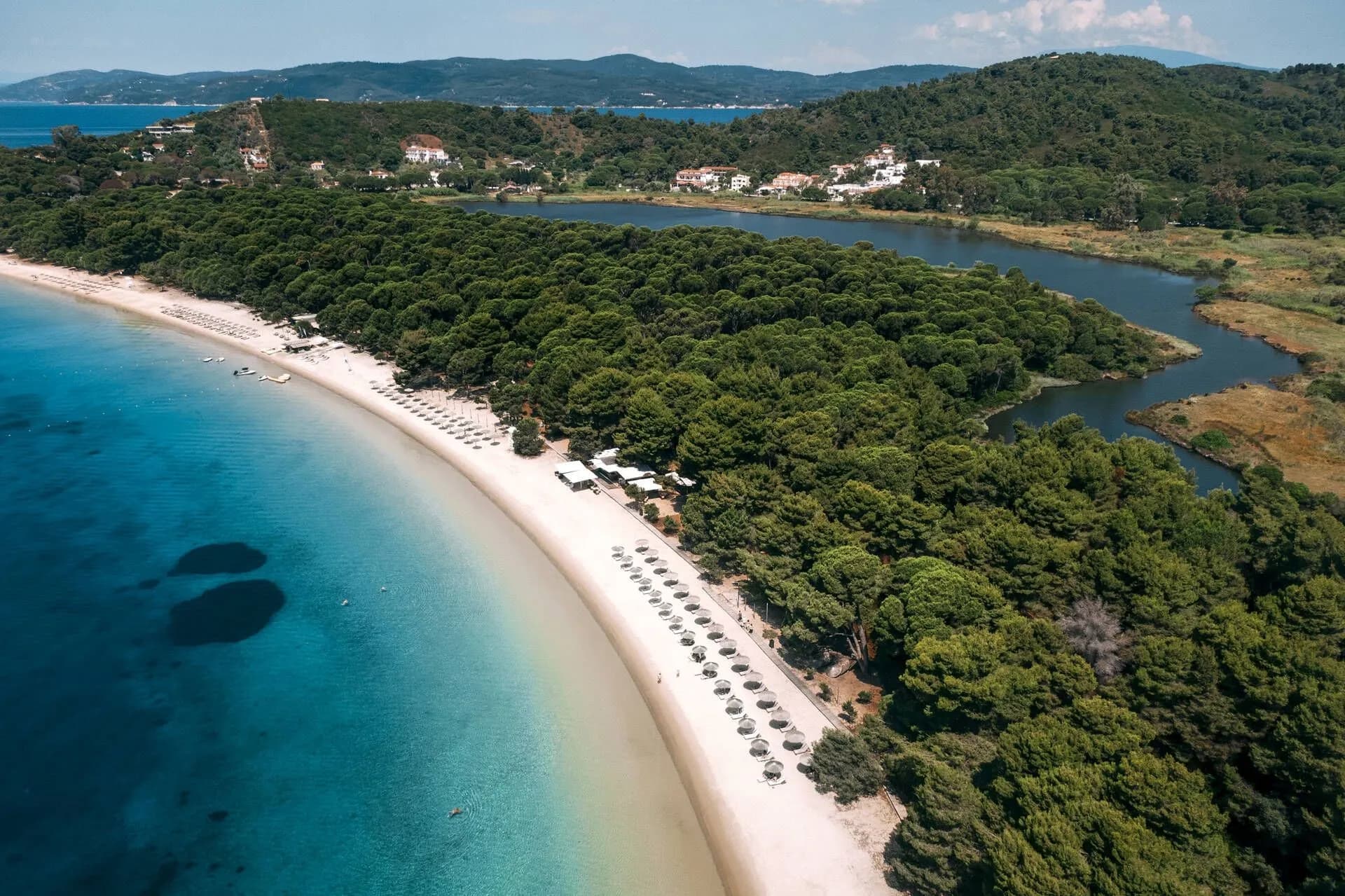
Skiathos beaches: choose your kind of beach day
From Koukounaries and Troulos to Lalaria: choose a Skiathos beach by access, wind and atmosphere, with maps and car-free travel tips.
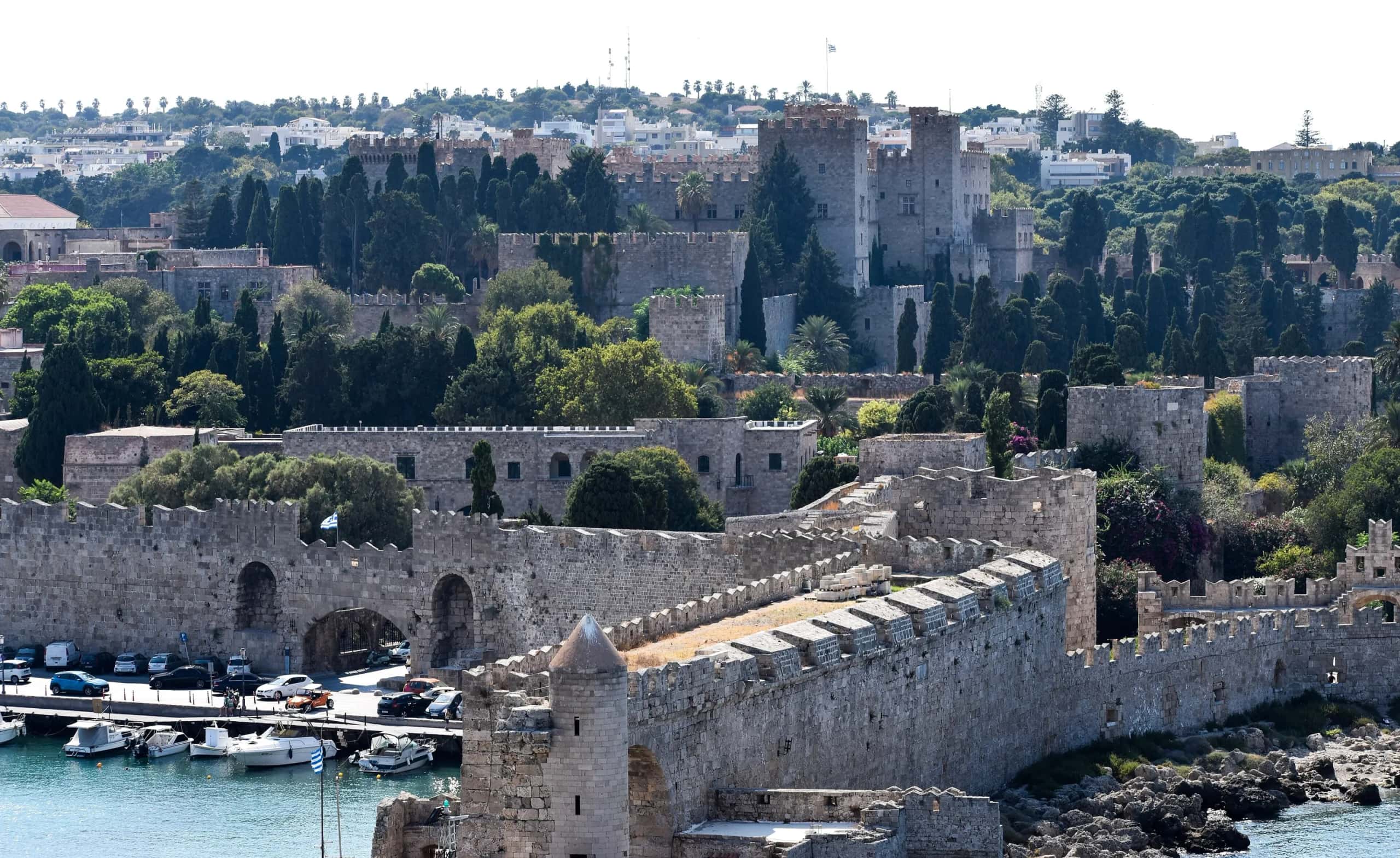
Explore the Street of the Knights and museums, find a bakery in the lanes and choose a courtyard restaurant for a day in Rhodes Old Town.
The Street of the Knights and the palace make a good start to a visit to Rhodes Old Town, but leave time for shops, warm pastries and a courtyard meal too. For a first visit, we suggest at least half a day, choosing one or two museums that interest you. Add dinner and an evening walk and you can happily make a day of it.
Inside the walls, homes sit alongside shops and restaurants, while synagogues, mosques and churches reflect different periods of the city's life. This guide brings together cultural visits, food stops and the practical details that help you choose what to do.
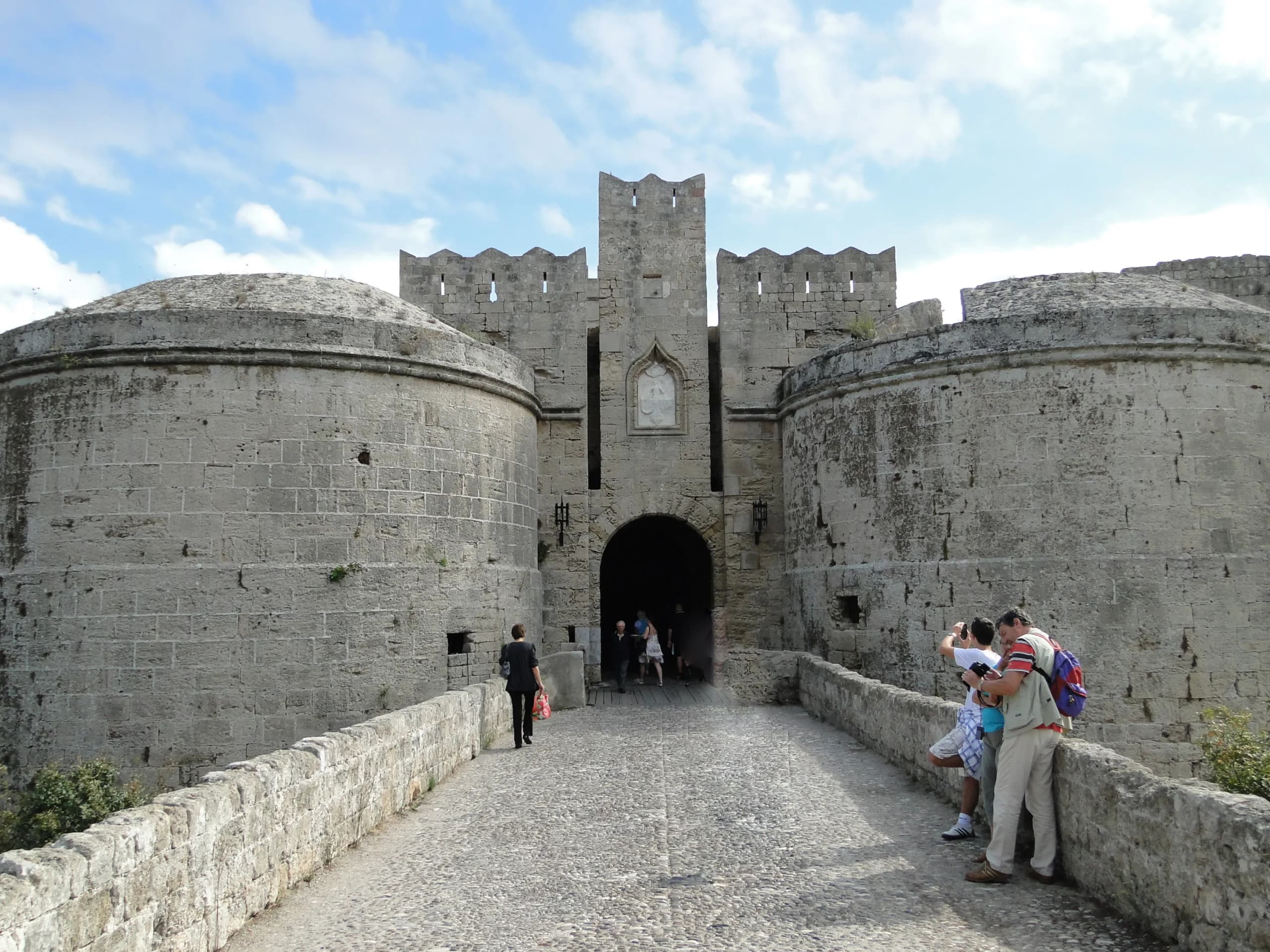
If you approach from the north-west, D’Amboise Gate is an entrance worth choosing. Its bridge over the moat and round towers reveal the scale of the defences before you enter the lanes.
It is also a useful starting point for the palace area. Visitors arriving from the harbour can use another gate and reach this part of town later. There is no need to walk around the walls just to begin here.
Find D’Amboise Gate on Google Maps
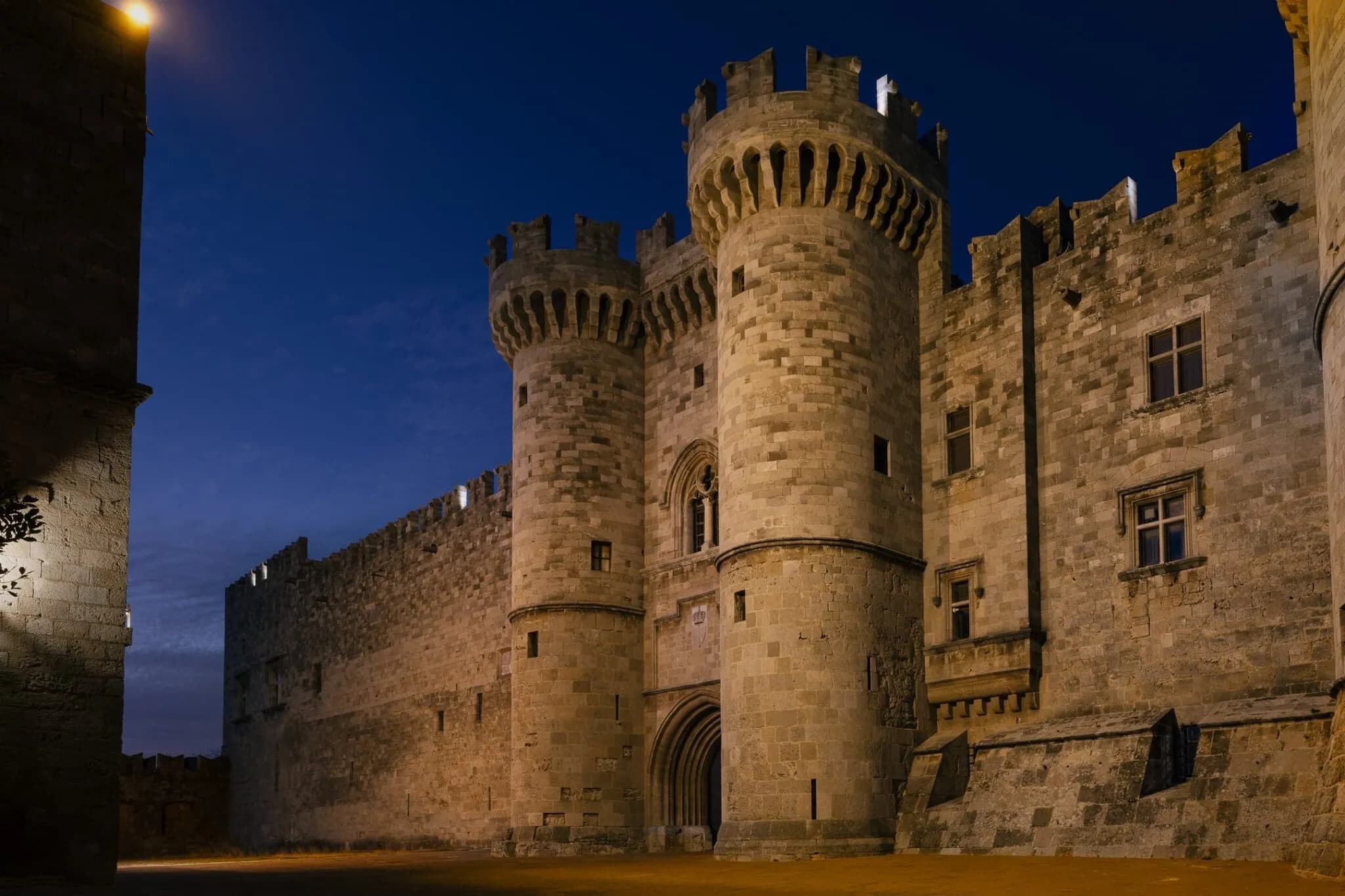
The Palace of the Grand Master was the residence of the head of the Knights Hospitaller and the order's administrative centre. The towers and courtyard are part of the appeal, but the building you see today underwent extensive reconstruction during Italian rule after damage in the 19th century.
Inside, look closely at the mosaic floors. Many were brought from buildings on Kos during that reconstruction. Knowing this makes the visit more interesting: alongside the knights' history, you see decisions made by 20th-century restorers.
Palace admission is separate from entering the Old Town. Check the site's current opening arrangements, especially in winter.
Find the Grand Master’s Palace on Google Maps
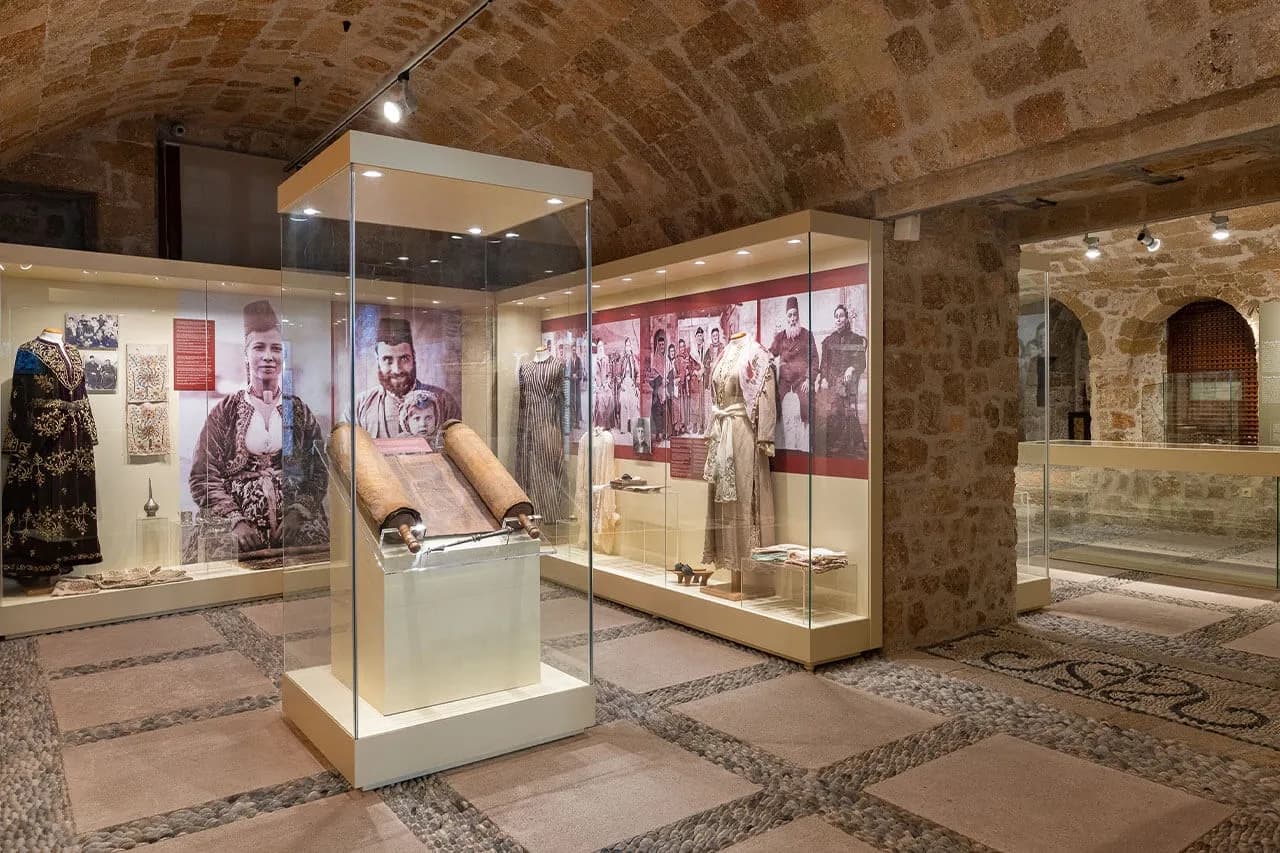
The Street of the Knights, Ippoton, links the palace area with the order's historic hospital. Its inns served different groups of knights, organised by language and origin.
Look for the coats of arms and inscriptions above the entrances as you walk. They are easy to miss when concentrating on the view up the street. Some buildings now house offices and institutions, so do not assume every door leads to a visitor attraction.
Find the Street of the Knights on Google Maps
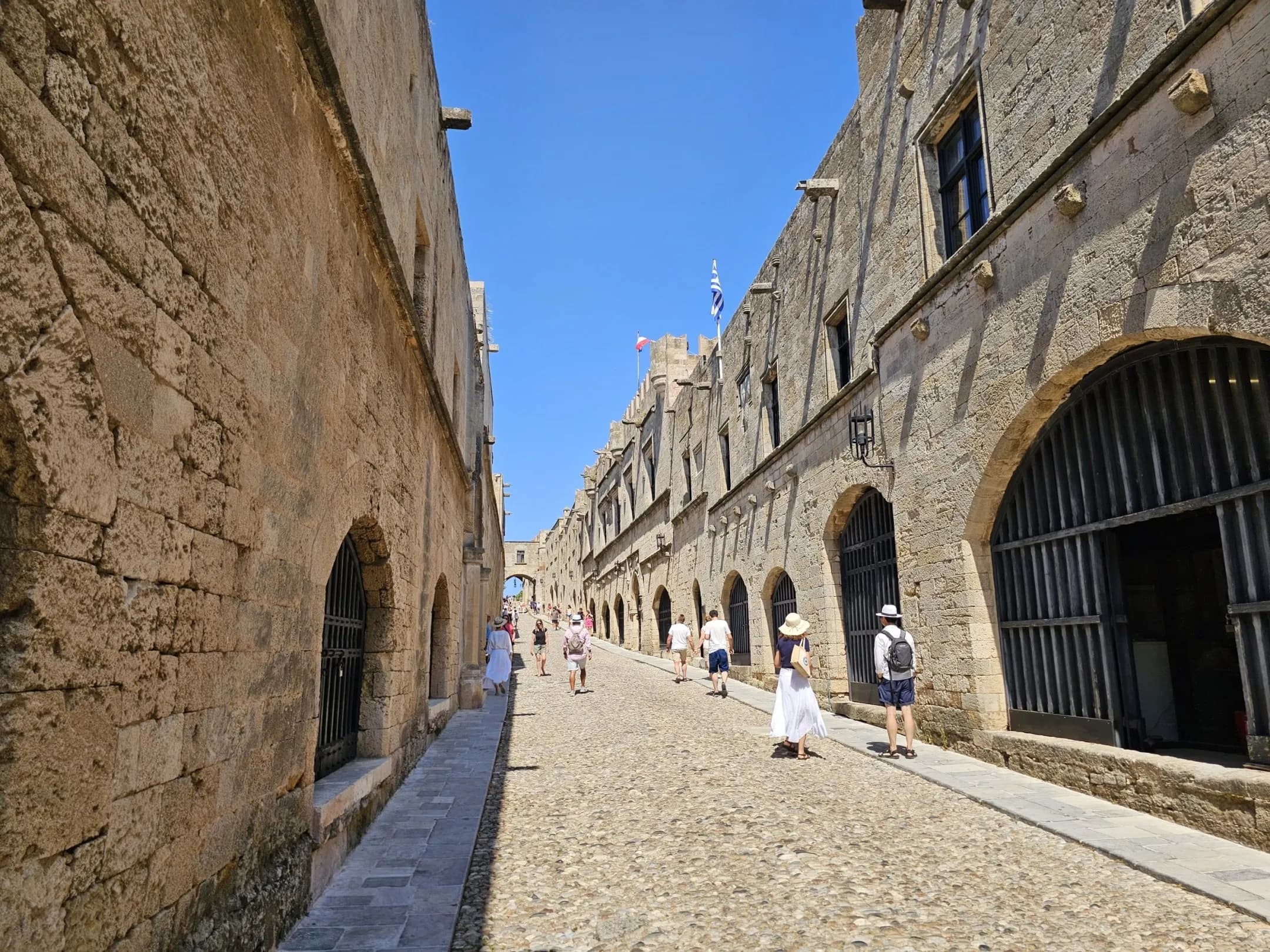
The Archaeological Museum occupies the knights' 15th-century hospital. Walk through stone vaults into an arcaded courtyard, then explore the galleries, gardens and collections beyond.
Here you meet the ancient Rhodes that existed before the knights: pottery, jewellery, sculpture and finds from excavations on the island and nearby. Look for the head of Helios, the sun god, and a small statuette of a bathing goddess.
If you choose only one museum, consider this for ancient objects in a historic setting. The palace suits an interest in the knights, fortifications and Italian reconstruction.
Find the Archaeological Museum on Google Maps
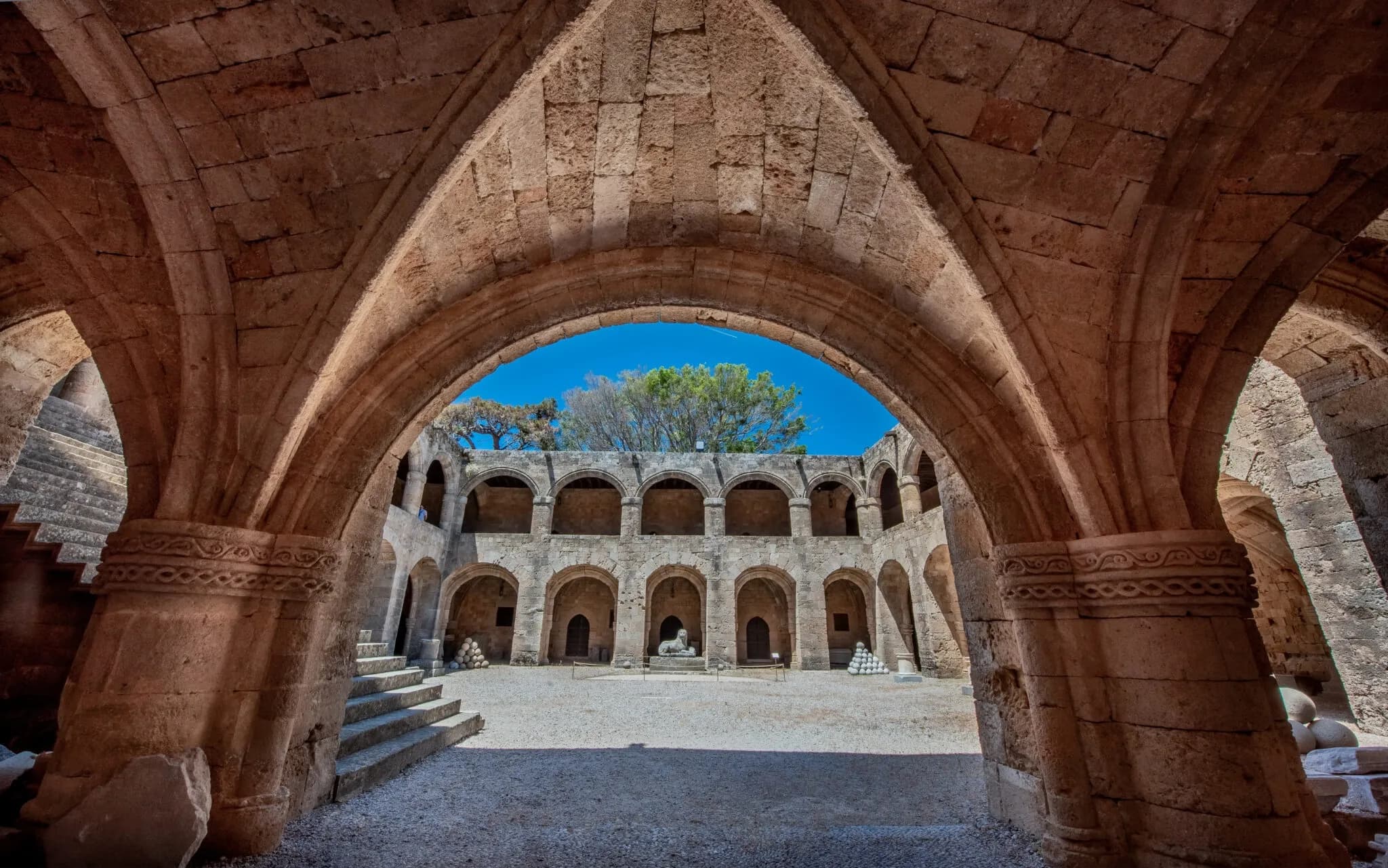
La Juderia, the Jewish Quarter, lies in the south-east of the Old Town. The Square of the Jewish Martyrs and Kahal Shalom Synagogue are important stops for understanding the city beyond the knights' period.
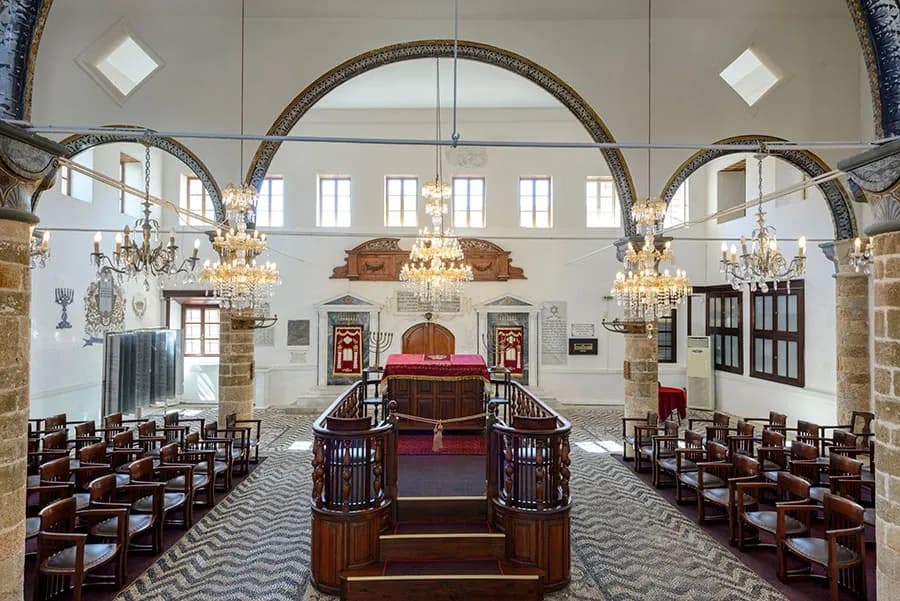
The synagogue dates from 1577. The Jewish Museum of Rhodes shares the complex and explores the Sephardic community's life, traditions and experience of the Holocaust. Photographs and documents sit alongside family and religious objects, including a Purim scroll and silverware. The visit makes room for the lives people lived here as well as their fate.
The synagogue and museum close to visitors on Saturdays and certain holidays. Confirm arrangements with the community before coming, particularly outside the main season.
Find Kahal Shalom and the Jewish Museum on Google Maps
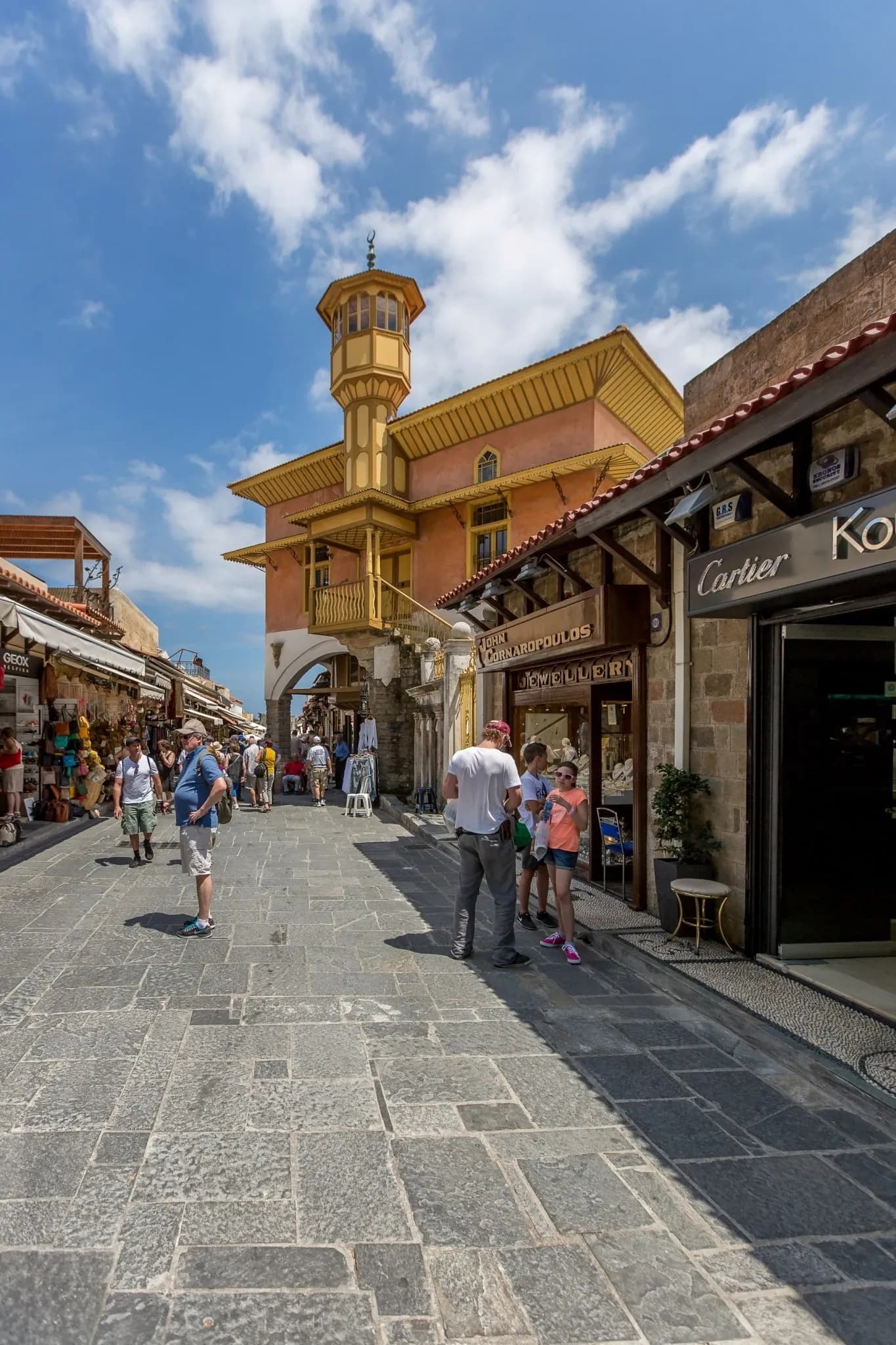
Sokratous is the Old Town's main shopping street. Between Hippocrates Square and the Suleiman Mosque you will find jewellery shops, leather goods, souvenirs and cafés.
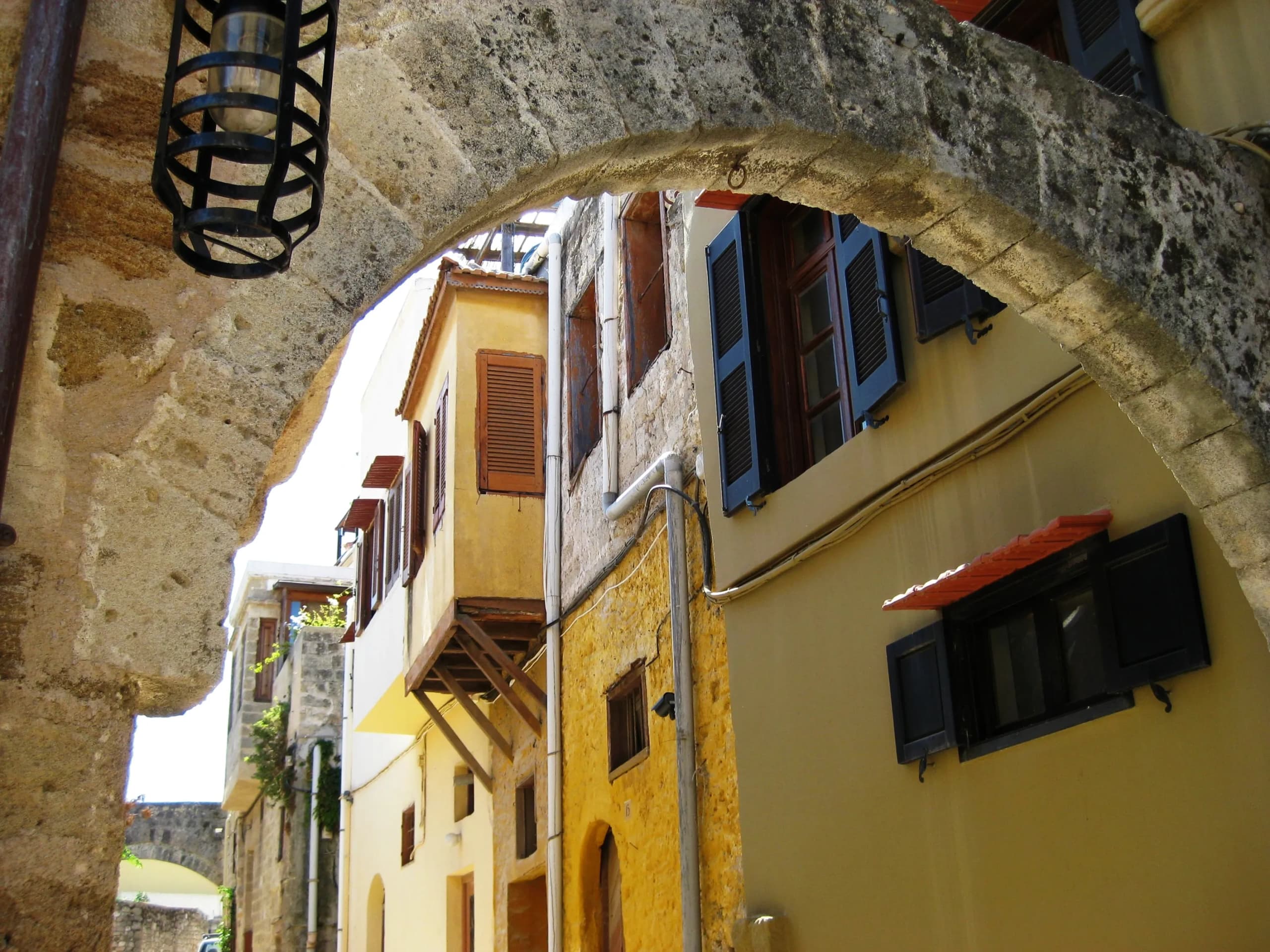
Walk the main street, then turn into the side lanes too. Doorways, arches and courtyards give you details to stop and notice. If an item is presented as locally handmade, ask who made it and where. A shop inside the walls does not by itself establish a product's origin.
Look out for melekouni, the sesame-and-honey sweet associated with Rhodes. Buy a small amount to taste before choosing what to take home.
Find Hippocrates Square on Google Maps
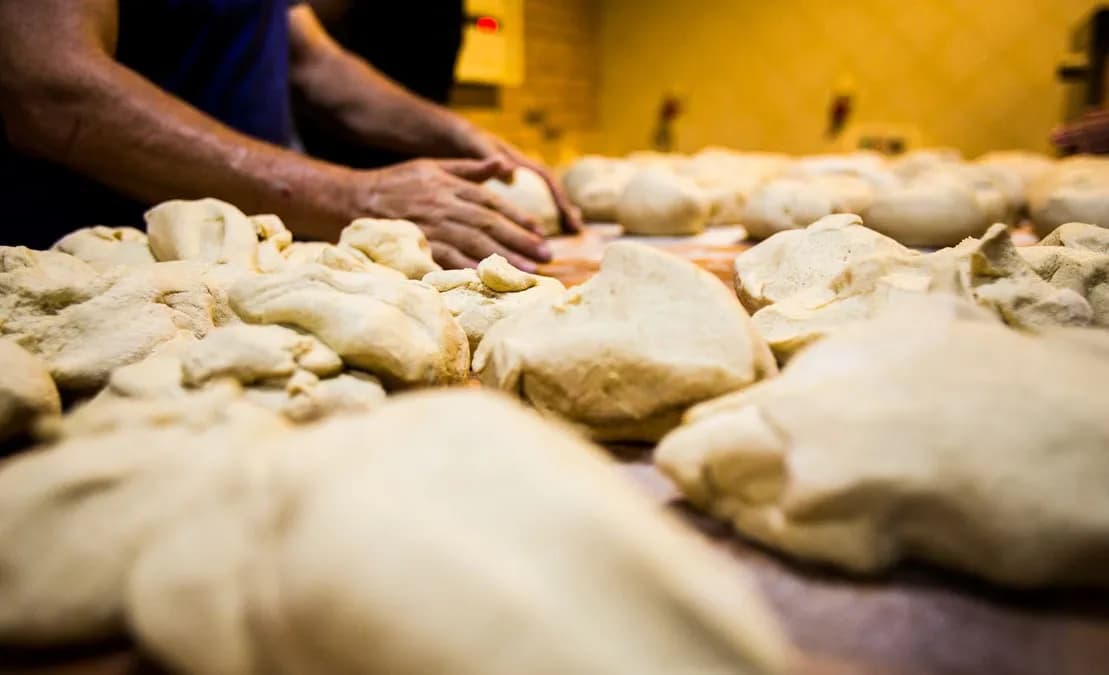
Fournariko bakery is tucked into the lanes around Platonos and Deinokratous. It specialises in wood-fired bread and pastries, including a range of filled pies.
It is a useful stop when you are ready for a break but not yet a full meal. See what has come from the oven and ask about the fillings. A savoury pastry and coffee work well partway through your walk, or take something away for later.
Find Fournariko on Google Maps
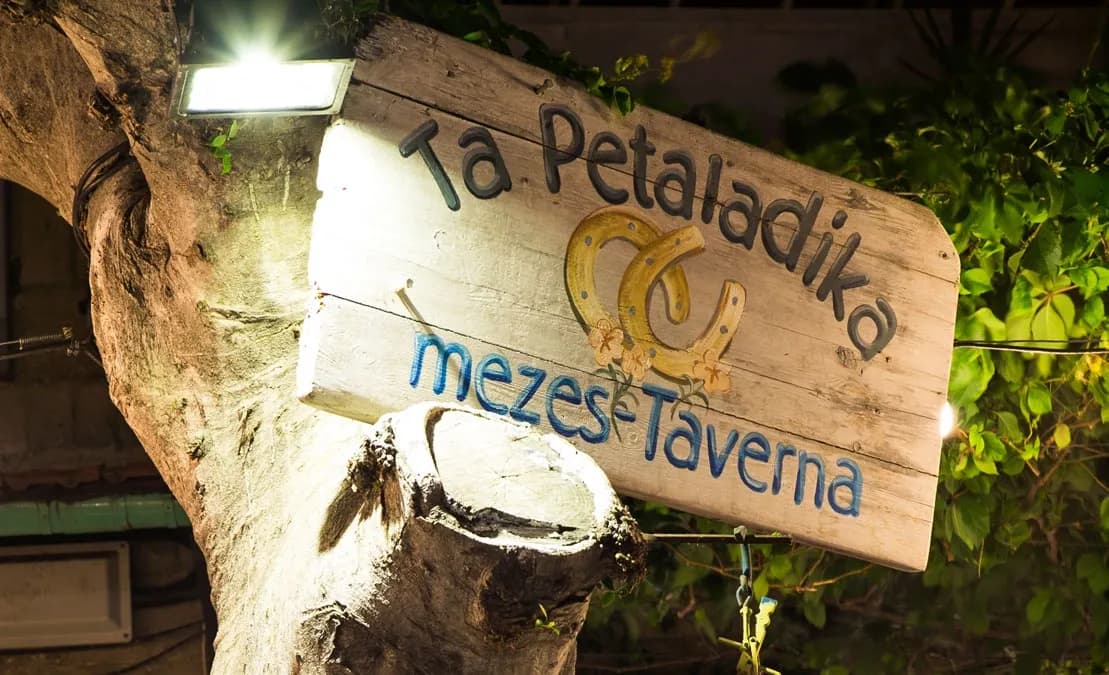
Ta Petaladika at 8 Menekleous Street focuses on Greek cooking and meze. Choose it when you would rather order several dishes for the table and taste them together.
The menu draws on the islands and mainland Greece, with fish and meat alongside smaller dishes. Start with a few plates and decide whether to add more. If ordering a whole fish, establish how it is priced and the portion size first.
Find Ta Petaladika on Google Maps
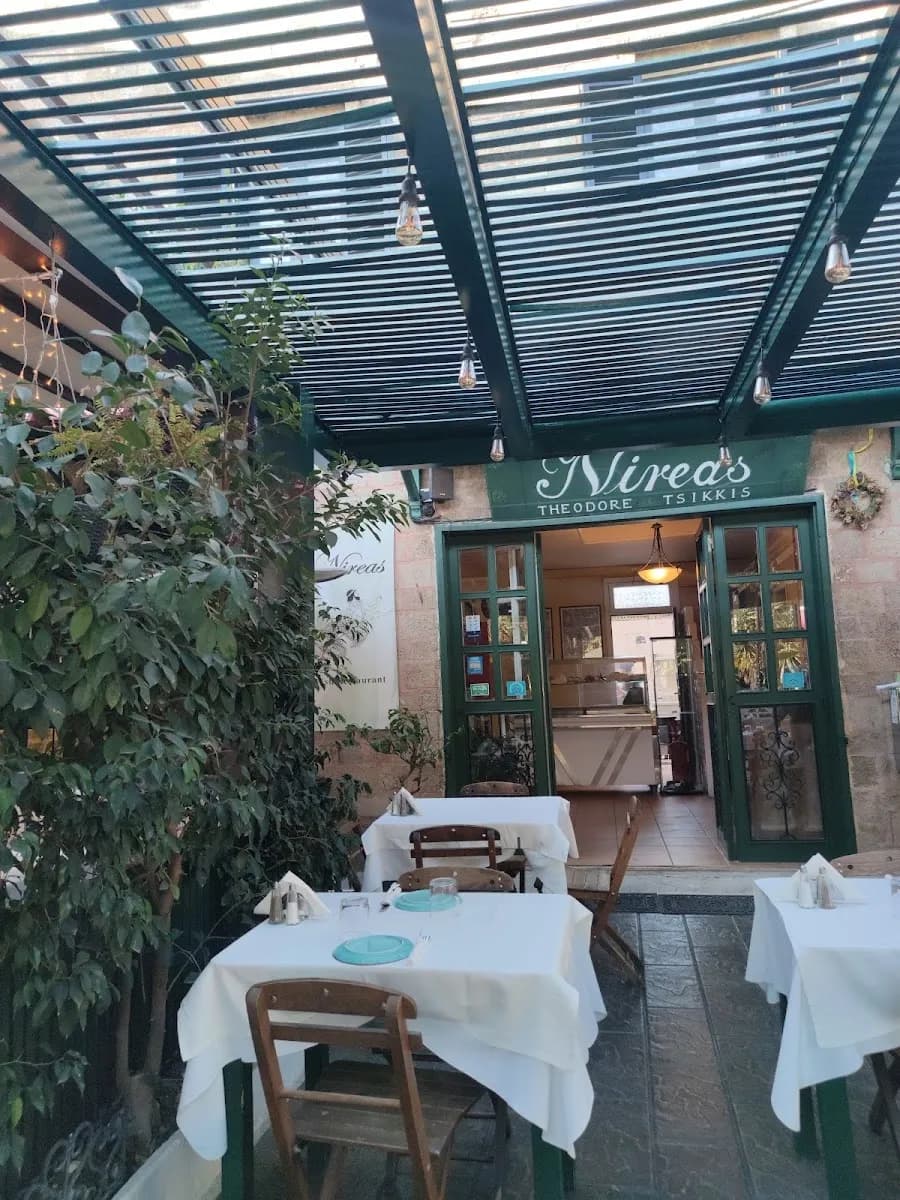
Nireas is at 22 Sofokleous Street, with courtyard tables beneath a canopy of plants. It is the choice on this list for a meal centred on fish and seafood.
Ask what is available that day and how your selected fish is priced. If you prefer sharing, look at the starters and seafood dishes before ordering a main course for everyone. Reserve ahead for dinner during the main season.
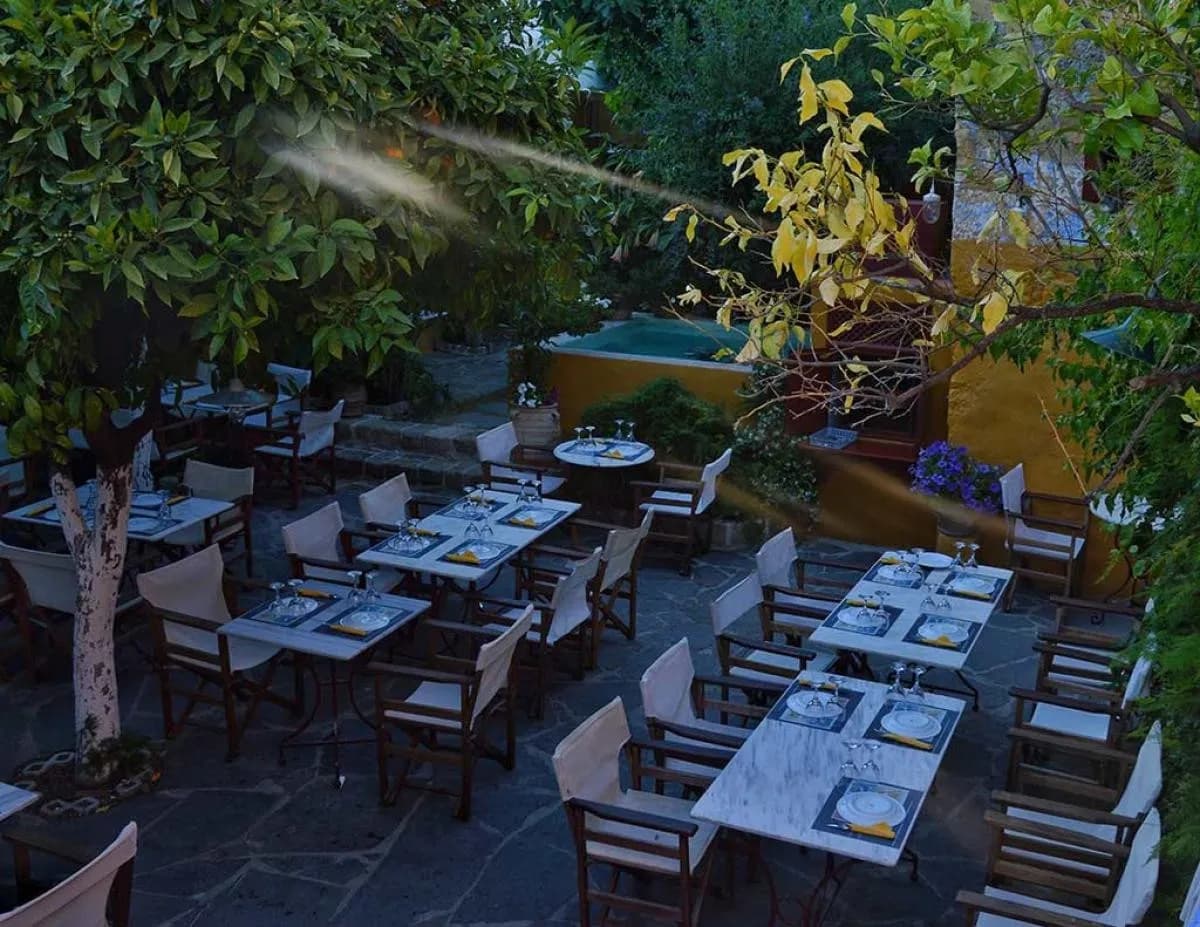
At Marco Polo on Agiou Fanouriou Street, dinner is served in the garden courtyard of a historic house. Tables among plants and colourful walls make a good reason to plan a longer evening meal.
The cooking is Greek and Mediterranean, with fish, meat and vegetables. Read the current menu and book ahead. This is somewhere to plan an evening around the meal, after finishing your museum visits and without another attraction to rush to afterwards.
Find Marco Polo on Google Maps
Alongside familiar Greek dishes, look for pitaroudia: chickpea fritters with herbs including mint. For something sweet, try melekouni, the island's sesame-and-honey confection. These are useful names to recognise, rather than dishes guaranteed on every menu every day.
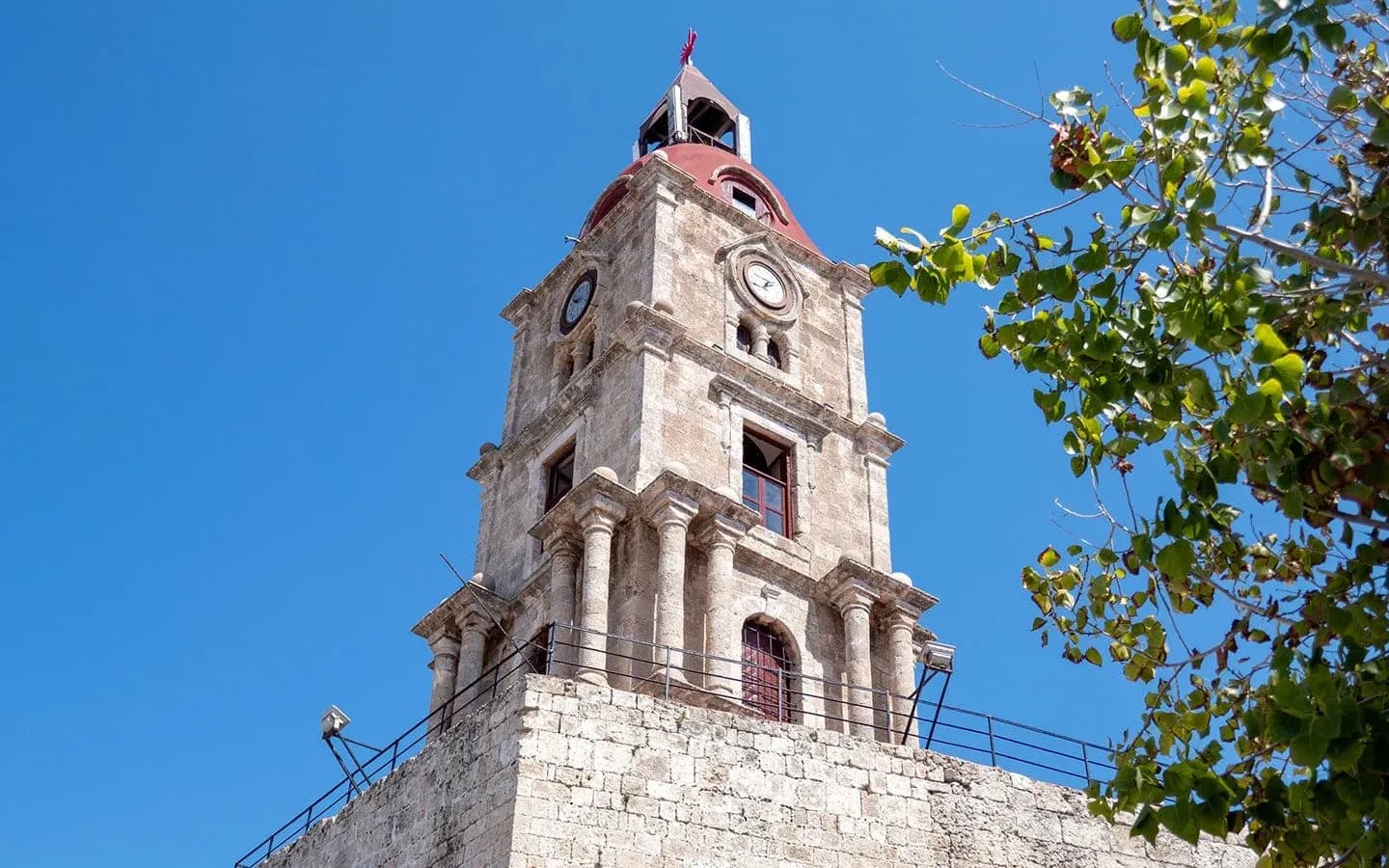
The Roloi Clock Tower stands near the Suleiman Mosque. Wooden stairs lead to views across rooftops, domes and the palace towards the sea.
Consider it if you have time for another perspective on the streets you have explored. The climb is narrow and steep, which matters when deciding whether it suits your visit. Check current opening and admission arrangements at the tower.
Find the Roloi Clock Tower on Google Maps
For a morning start, choose the palace or Archaeological Museum, add the Street of the Knights, then continue towards Sokratous and the bakery. If the synagogue and Jewish Museum are priorities, check their hours first and plan to reach them in time.
In the afternoon, return to the lanes, visit the clock tower if open and finish with dinner. For a later arrival, concentrate on walking and a restaurant, saving museums for a visit when you can give them time.
Wear comfortable shoes: paving is uneven and parts of the route have slopes and steps. If bringing a pushchair or needing accessible routes, check the approach and facilities at each attraction separately.
For the rest of your holiday, explore our Rhodes destination guide.
We suggest at least half a day for a first visit, with walking, a food stop and one attraction of your choice. Several museums and dinner can fill a day. This is a planning recommendation, depending on your pace and interests.
No. The streets and squares are free to enter. The palace, museums and wall walk have separate admission arrangements and opening hours.
No. The Old Town is inside the fortifications, while Mandraki Harbour is outside them. You can combine both in one visit, but specify a gate or landmark when arranging a drop-off or meeting point.
The palace focuses on the building used by the heads of the knights’ order and its reconstruction, with halls and mosaic floors. The Archaeological Museum occupies the historic hospital and displays ancient objects including sculpture, pottery and jewellery.
There is a separate visitor route along part of the walls, with its own ticket and opening hours. Hellenic Heritage lists it as seasonal and closed in winter. Recheck before visiting; walking through town does not automatically give access to the ramparts.
No. The synagogue and Jewish Museum close to visitors on Saturdays and certain holidays. For other days, especially in winter, confirm opening and any appointment requirements directly with the community.
No. Sokratous is a shopping and souvenir street rather than a farmers market. The city’s produce markets take place outside the walls on particular days, so check the location and date before going.
Consider Ta Petaladika for shared meze, Nireas for fish and seafood, and Marco Polo for dinner in a garden courtyard. Fournariko is a pastry-and-coffee stop while exploring. Check current menus and seasonal opening before visiting.
From Koukounaries and Troulos to Lalaria: choose a Skiathos beach by access, wind and atmosphere, with maps and car-free travel tips.
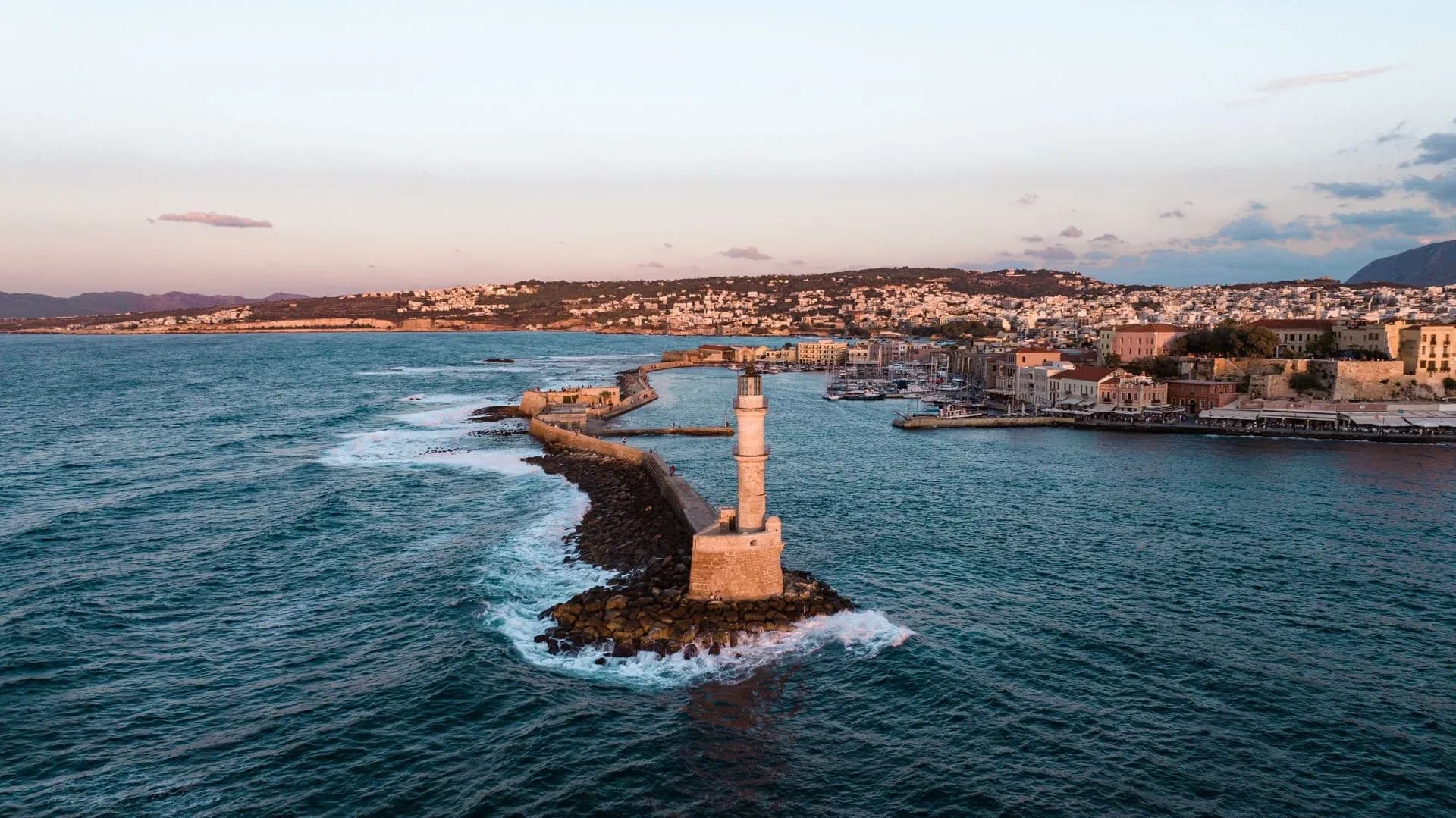
Seven days with two bases: Chania, a beach day, villages, Rethymno and Knossos, with options for families and travel without a car.

From Xyloskalo to the Iron Gates and Agia Roumeli: plan the Samaria hike, assess the terrain and arrange the ferry and bus back.