One week in Crete: Chania to Heraklion
Seven days with two bases: Chania, a beach day, villages, Rethymno and Knossos, with options for families and travel without a car.
Harbour walks, neighbourhood lanes, a street market and local food: explore Chania with maps, practical tips and current museum and market details.
Start a day in Chania with an appetite. A warm bougatsa near the market, coffee in Splantzia Square, then the lanes and harbour: everyday pleasures make a useful introduction to this western Cretan city. The lighthouse and Venetian houses deserve a look, but the small neighbourhoods and food behind the waterfront give you a reason to stay until evening.
This guide focuses on Chania city in western Crete. Allow a full day for a first old-town visit; a second gives you room for the museum in Halepa and time by the sea. Keep Balos, Elafonisi and Samaria for separate outings. They are in the wider Chania region, and travelling to them changes the shape of your day.
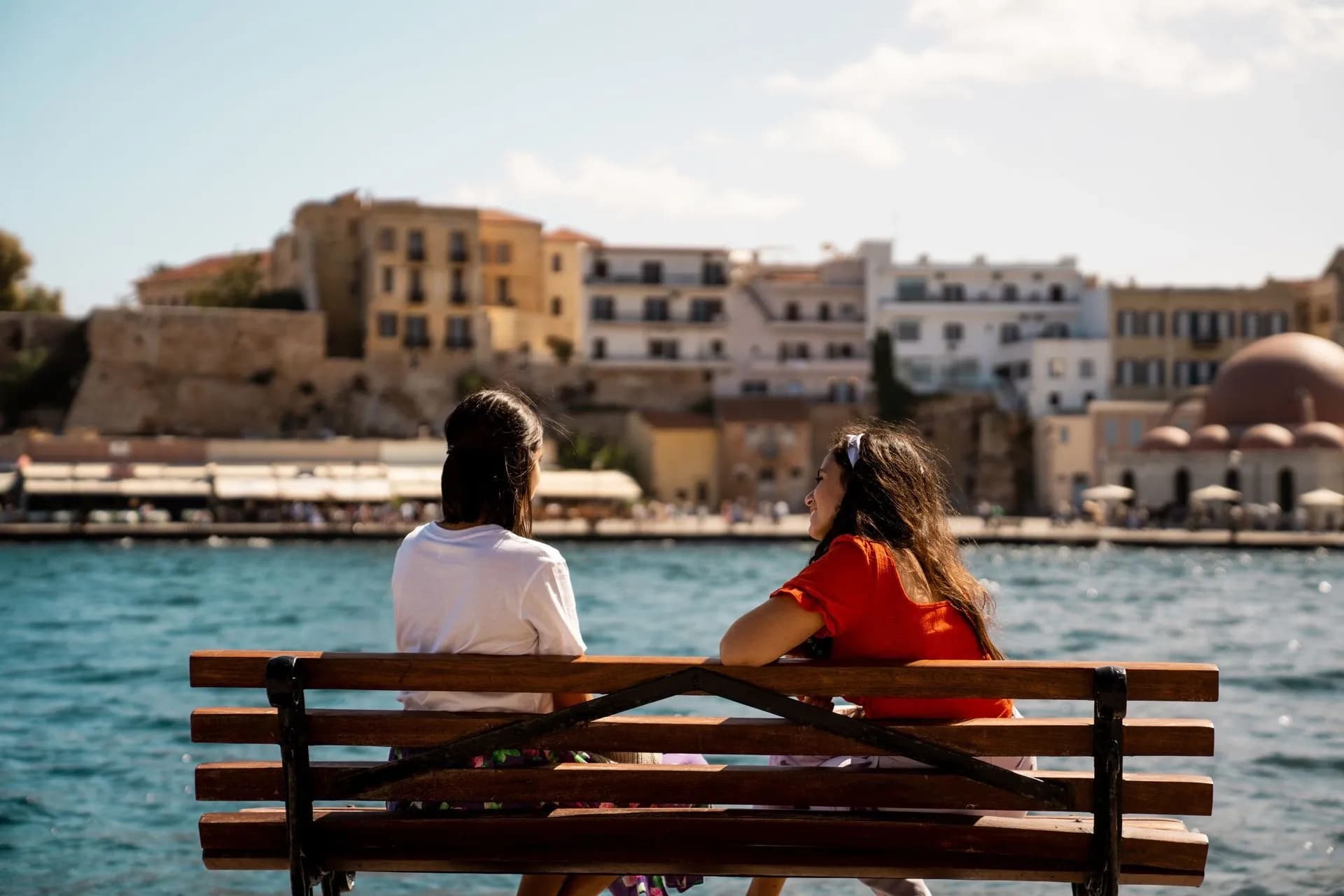
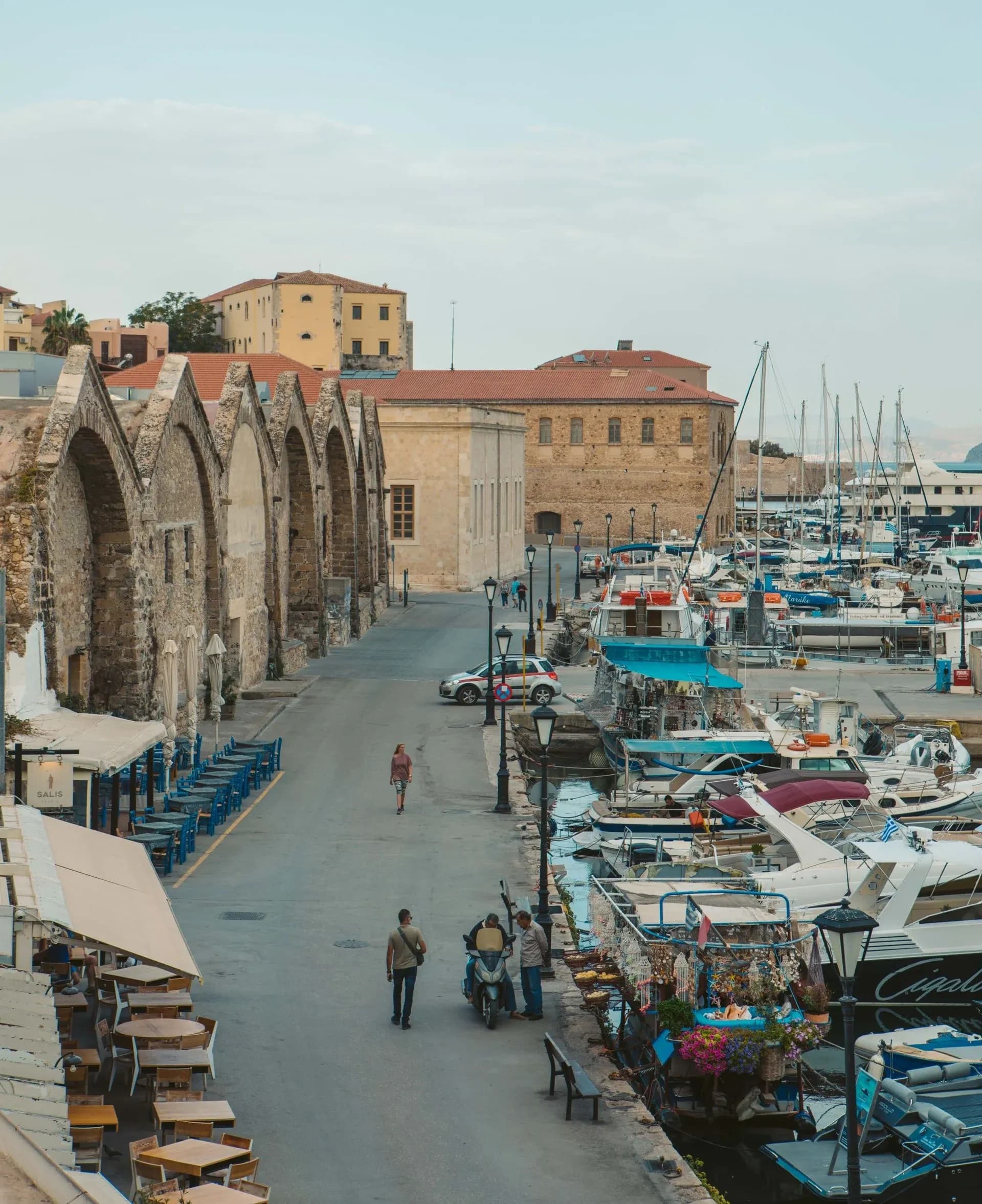
The Venetian harbour is an easy place to get your bearings. Firka Fortress stands at its western end; to the east, the waterfront continues past the Neoria, the long stone buildings once used to repair ships. Look for the domed Küçük Hasan Mosque beside the water, which hosts exhibitions when events are scheduled.
Venetian harbour on Maps (opens in a new tab)
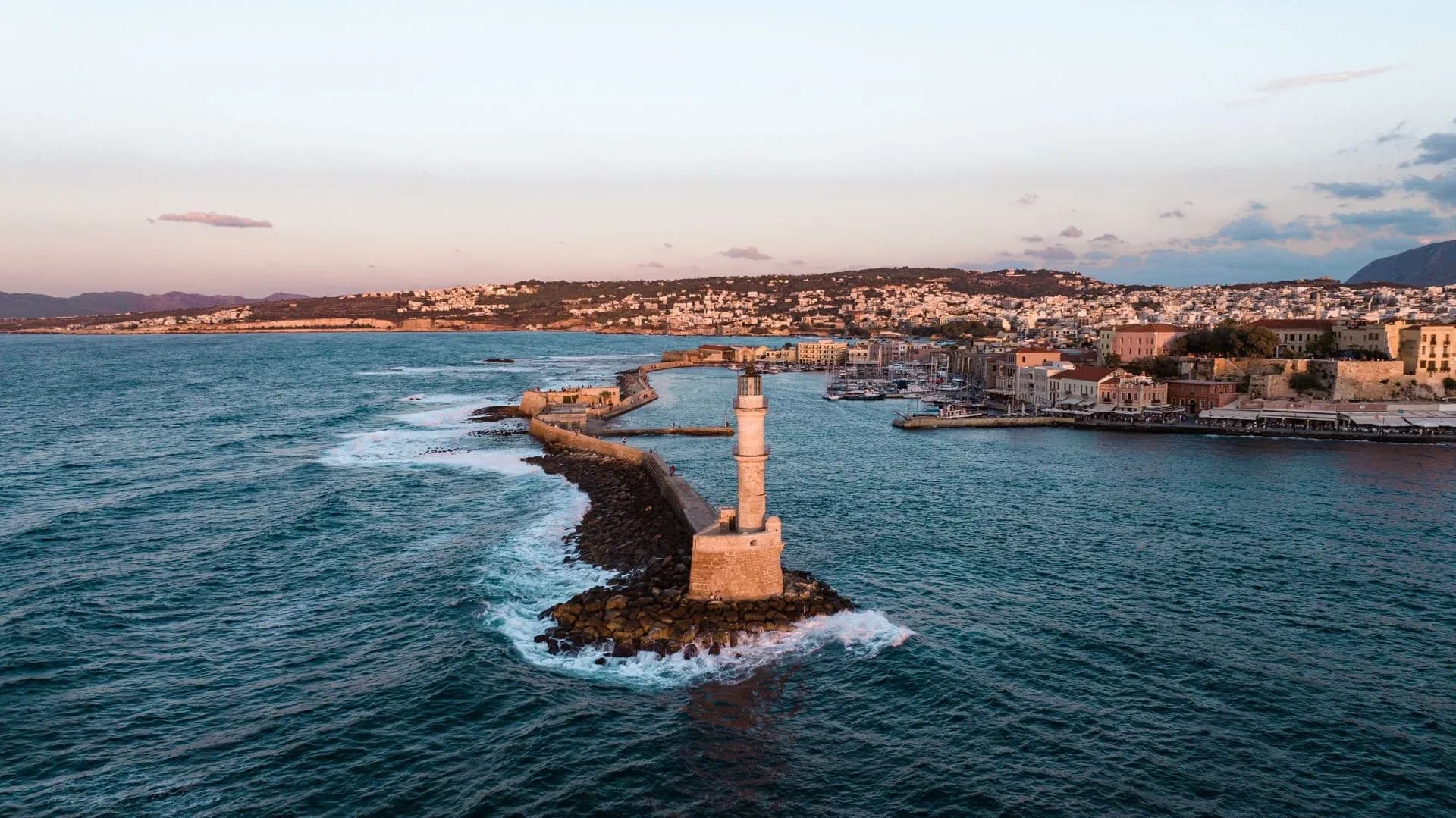
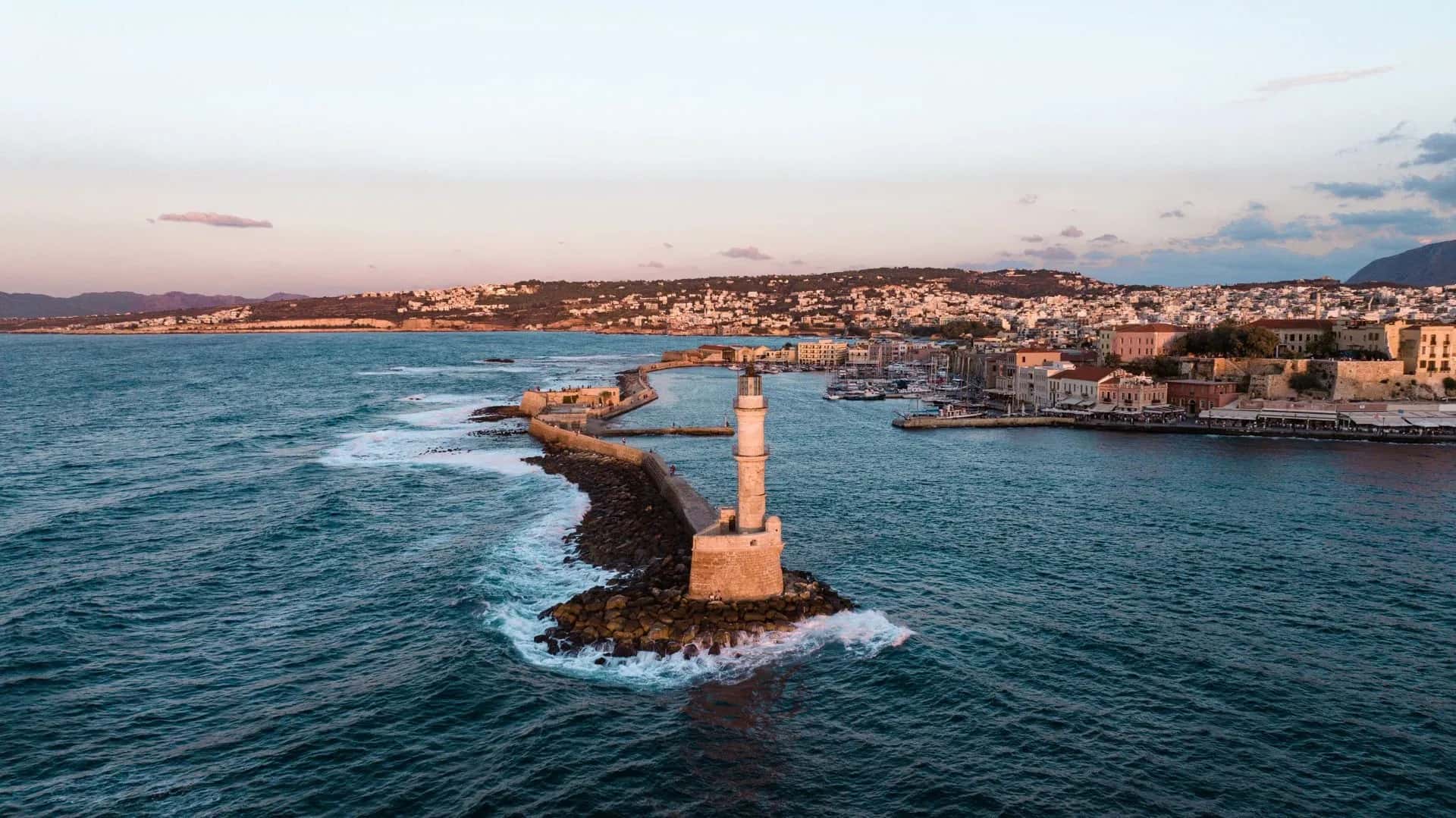
To reach the lighthouse, follow the harbour around its eastern side and continue along the breakwater. It looks close from the waterfront, but the walking route is much longer than the distance across the water. Shade is scarce and the stones are uneven. In strong wind or rough seas, enjoy the view from the promenade instead. Even when the path is accessible, the visit is to the outside of the lighthouse; you cannot enter the tower.
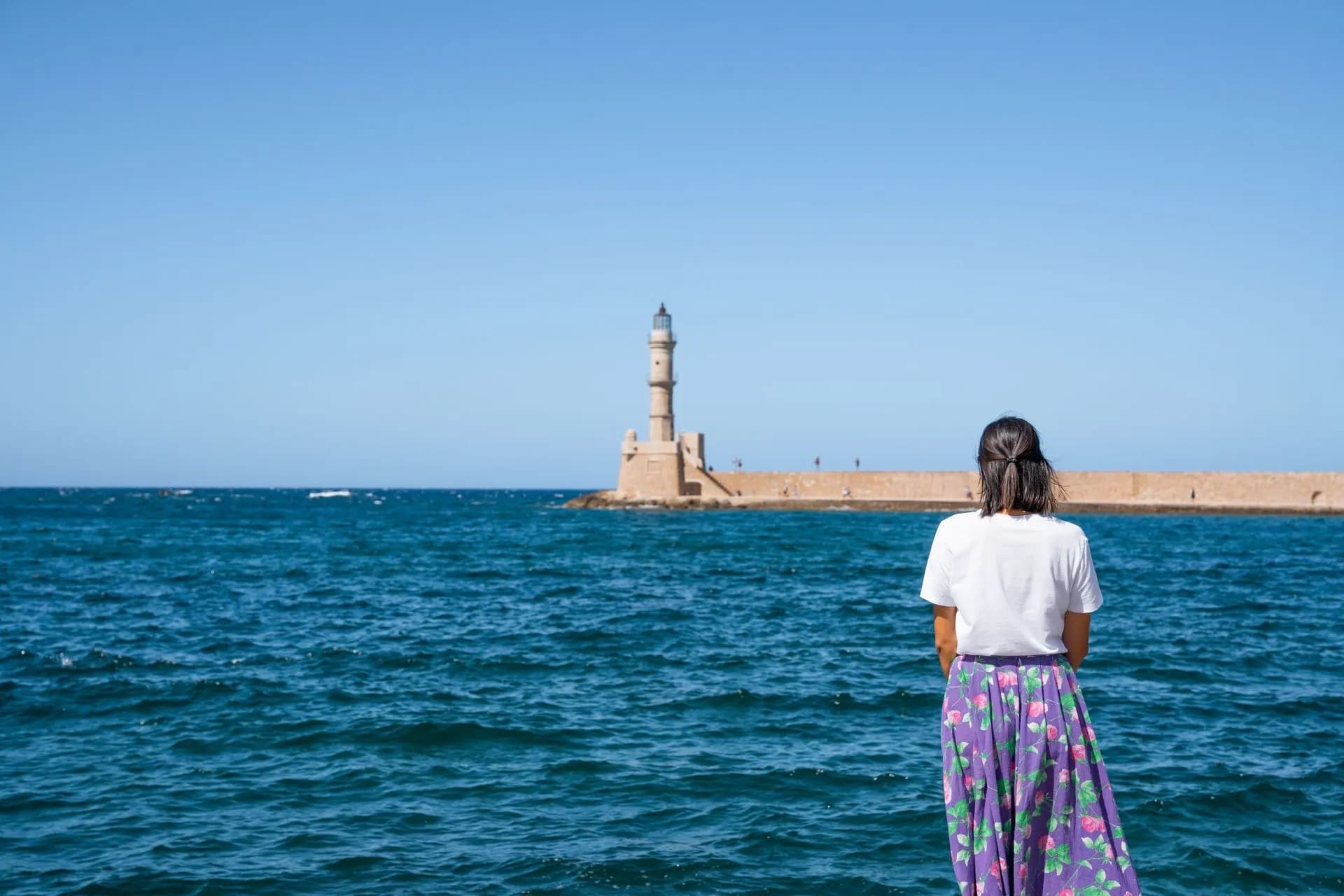
Lighthouse on Maps (opens in a new tab)
With limited time, skip the full breakwater walk and save daylight for the lanes. Return to the harbour towards sunset, when the light changes on the buildings and the cafés fill up. A drink is enough to enjoy the setting; you can choose dinner elsewhere afterwards.
West of the harbour, Aggelou Street and the lanes around Theotokopoulou lead between stone houses, steps and small shops. This is Topanas, particularly pleasant for a morning walk before the old town gets busy. Browse jewellery, ceramics and souvenirs, but ask who made an item and where if you specifically want local craft. Not everything sold in the old town is made in Crete.
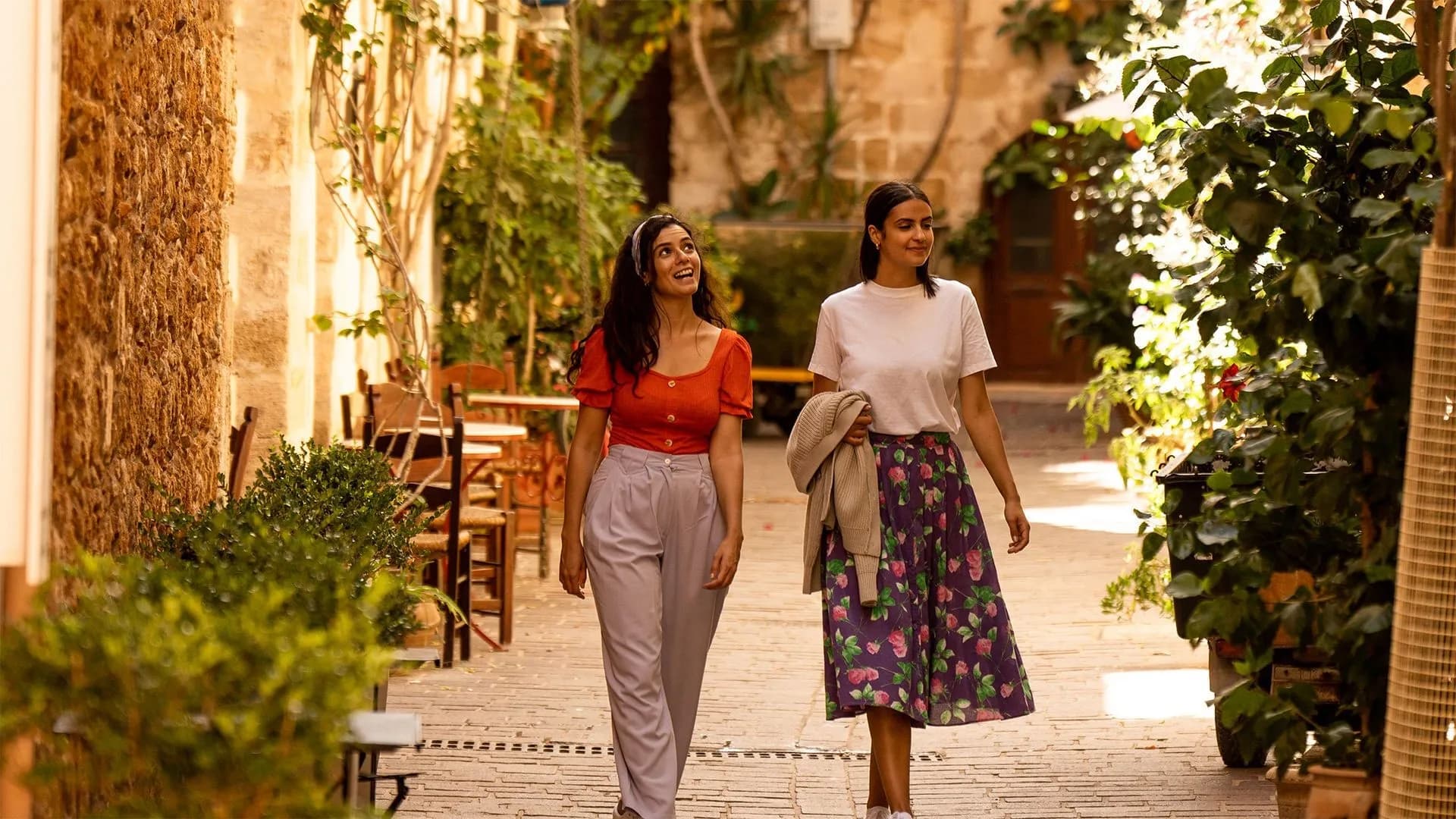
Aggelou Street on Maps (opens in a new tab)
Continue towards Kondylaki Street and the Jewish Quarter. Etz Hayyim Synagogue stands in a nearby lane. It is an important place for understanding the island's Jewish history and an active centre of worship and culture. A visit adds context to the beautiful buildings around you. Check visitor hours beforehand: they differ from the surrounding shops, and there is an admission charge.
Etz Hayyim Synagogue on Maps (opens in a new tab)
Splantzia Square, also marked as 1821 Square, lies on the eastern side of the old town. Agios Nikolaos Church is its distinctive landmark, with a bell tower and a minaret retained from its time as a mosque. Cafés and taverna tables occupy the space beneath the trees. Stop for coffee or lunch, especially after a morning on the waterfront.
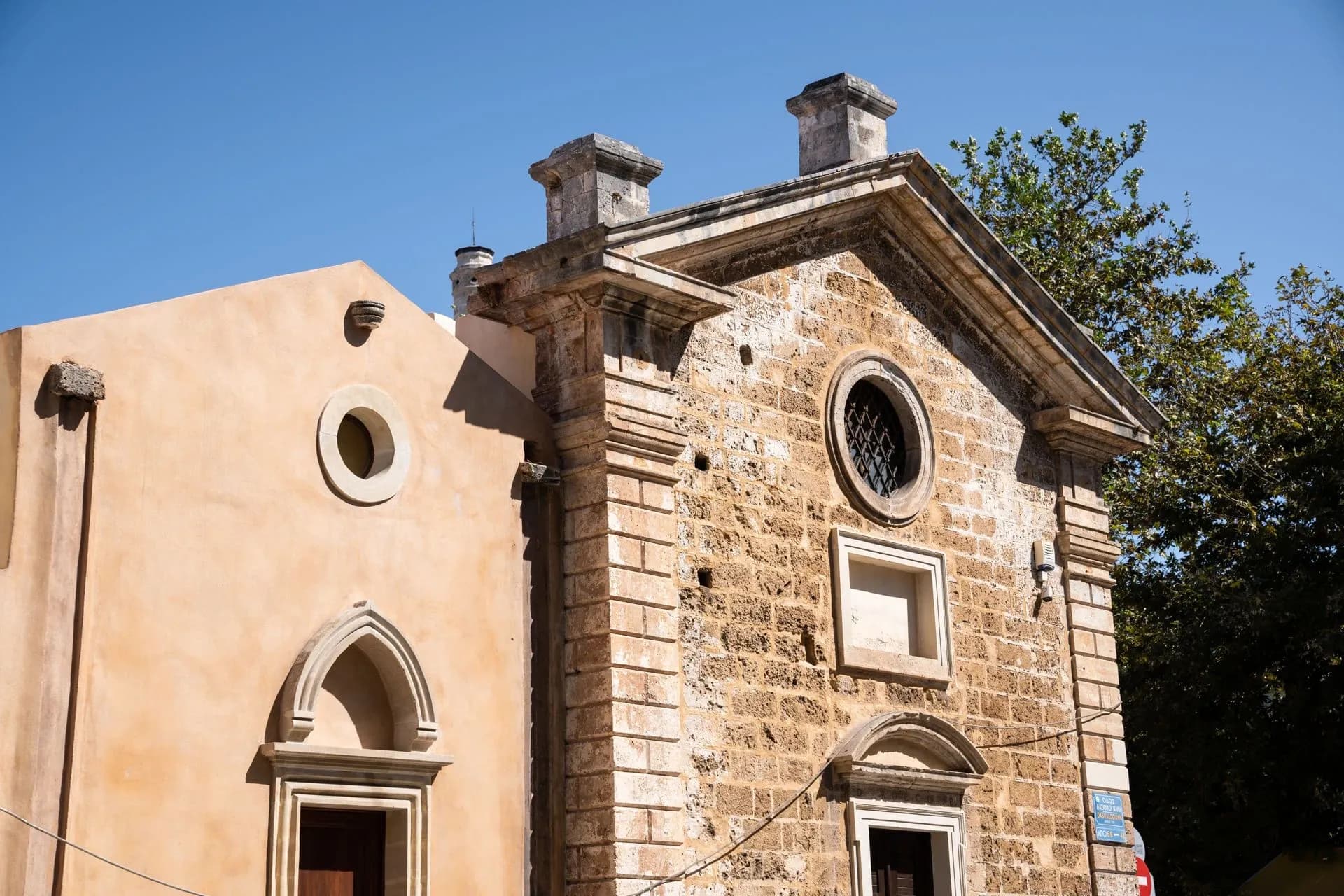
Splantzia Square on Maps (opens in a new tab)
Walk on towards Sifaka, associated with traditional Cretan knife-making, or Chatzimichali Ntaliani Street, where there are places to eat and drink. Pick a few lanes, look at the menus and return to somewhere that catches your attention in the evening.
The cross-shaped covered Agora at the southern edge of the old town is undergoing renovation. Before visiting, check the municipality's website to see whether it has reopened and confirm its opening hours. Meanwhile, nearby food shops and the street markets offer places to browse and taste local products.
Covered market on Maps (opens in a new tab)
The laiki, or open-air street market, moves between neighbourhoods on different days. Go in the morning for seasonal fruit, vegetables and local products, alongside residents doing their shopping. Bring a comfortable bag, ask before taking close-up photographs of stallholders and avoid buying fresh cheese if you cannot keep it chilled.
There is a useful winter detail: from 1 November 2026 to 31 March 2027, the Thursday market operates on Patriarchou Gerasimou Street, between Pireos and Pavlou Michelioudaki. This is a seasonal move from the former ABEA factory area. The map below marks a starting point near Pireos, rather than an official entrance. For other dates, check the current location before setting out.
Thursday market starting point on Maps (opens in a new tab)
Iordanis has made bougatsa in Chania since 1924. Its traditional version uses Pichtogalo Chanion, a soft local cheese with a gentle tang, served with sugar. The combination of hot phyllo, cheese and sweetness makes it different from a standard custard pastry. Visit in the morning before exploring the city; think breakfast or a short food stop rather than dinner.
Iordanis on Maps (opens in a new tab)
Tamam is at 49 Zampeliou Street in a building formerly used as a public bath. Choose it for Greek cooking with eastern influences and a wine list that gives Crete a place at the table. The attraction here is the building, lane and meal, rather than a front-row waterfront view. Reserve in the busy season and check the current menu instead of planning around a dish mentioned in an old review.
Tamam on Maps (opens in a new tab)
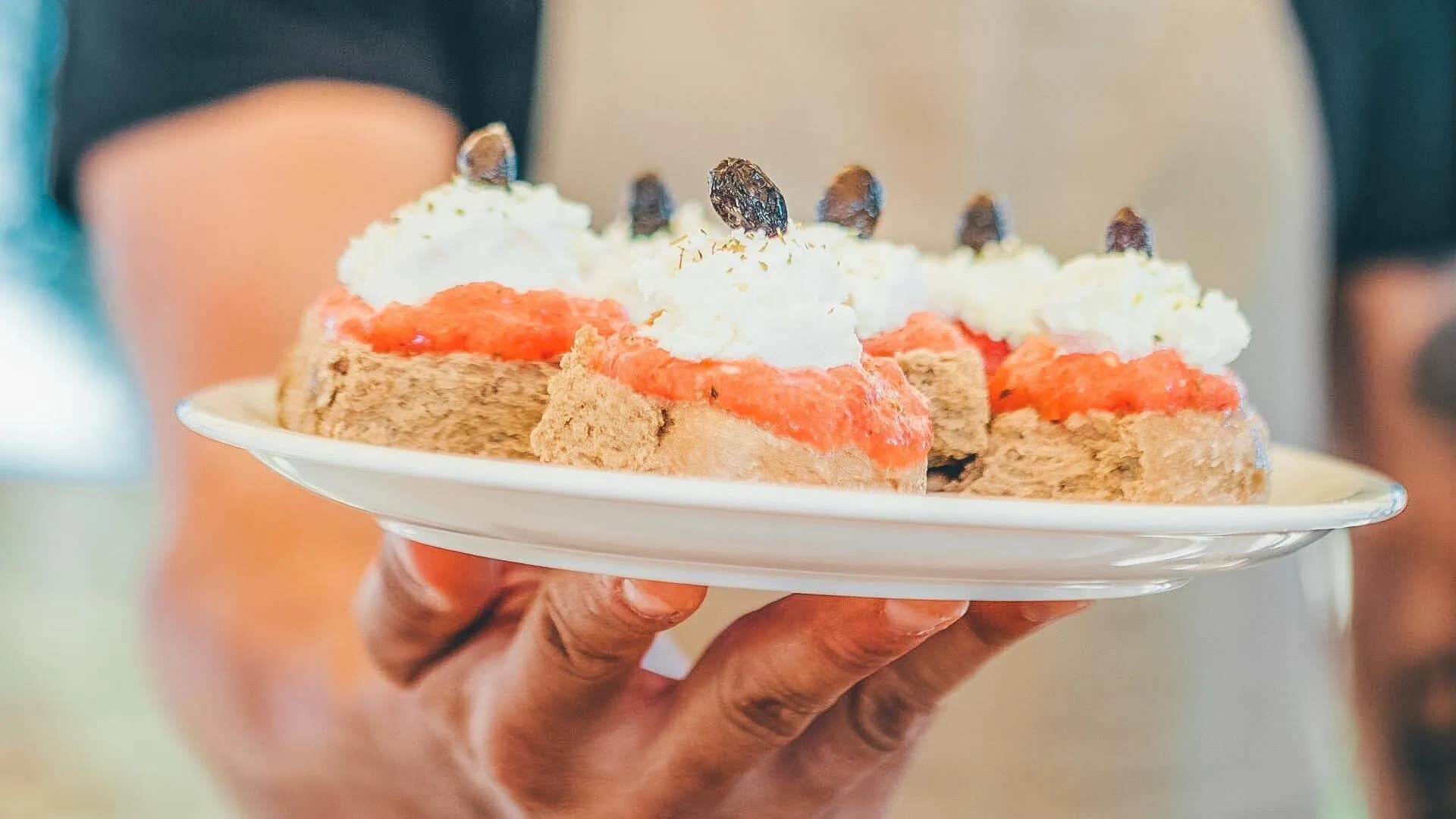
Look for boureki, a courgette, potato and cheese bake; kalitsounia, small pies filled with cheese or greens; and dakos, barley rusk topped with tomato, cheese and olive oil. These are Cretan dishes to look out for, rather than a promise that every restaurant serves them. Ask what has been cooked that day and what is in season. When ordering fish priced by weight, agree on the weight and price before it is prepared.
For a deeper look at local history, visit the Archaeological Museum in Halepa, at 15 Skra Street. It occupies the new building, not the Church of St Francis in the old town, which still appears in some guides. The displays explore the Chania region through finds from ancient Kydonia and the Minoan, Greek and Roman periods.
The museum works well on a second city day or in rainy weather. Reach it by local bus or taxi, checking the route from your starting point. Tuesday is the published regular closing day, and hours change between winter and summer. Check the last admission time before leaving it until late afternoon.
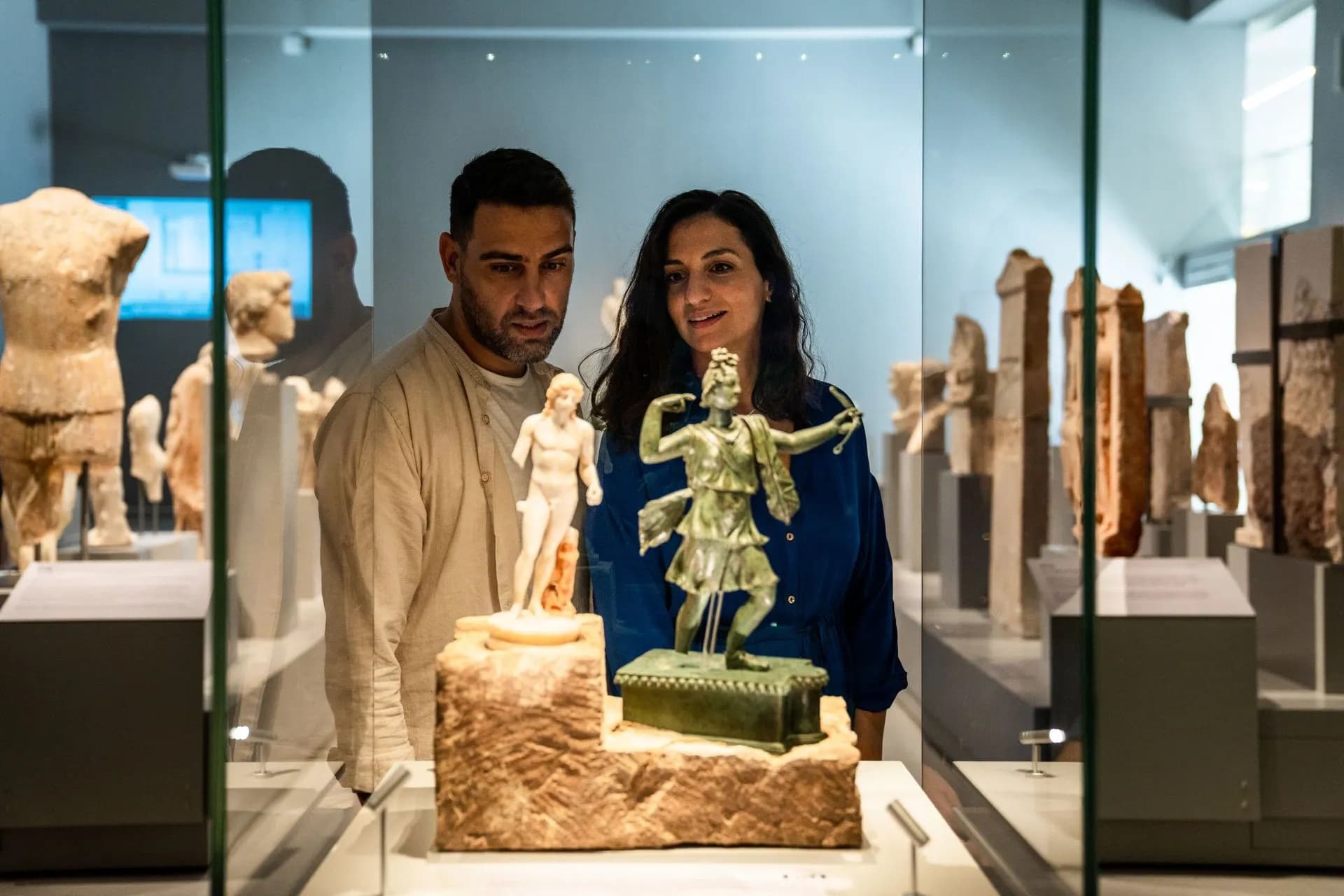
Archaeological Museum on Maps (opens in a new tab)
If you want a swim after the lanes, head west to Nea Chora. There is a sandy beach, a small fishing harbour and restaurants along the seafront. It is a convenient way to combine the city with beach time without driving to western Crete's distant shores. Follow the flags and assess conditions on the day; a city beach does not guarantee calm water in every kind of weather.
Nea Chora Beach on Maps (opens in a new tab)
For a holiday built around swimming, see our Crete beach guide. Families can also use Crete with kids to plan separate outings instead of adding a distant attraction to an already full city day.
For a first visit, start at Iordanis, continue through Topanas and the Jewish Quarter, then walk to the harbour. After lunch, explore Splantzia and the lanes east of the port. Return to the water towards evening and finish with a dinner you have booked ahead. On a winter Thursday, you could start at the street market instead, then continue into the old town.
Choose between a longer lighthouse walk, a synagogue visit or a few hours at the beach according to weather and opening hours. The Halepa museum is easier to enjoy on an additional day. You can explore the old town on foot, although some lanes have uneven paving or steps. Comfortable shoes are more useful than a long checklist.
For accommodation context, see our Chania place guide. To plan beyond the city, our things to do in Crete guide helps you choose the next region.
Start with the Venetian harbour, the Topanas and Jewish Quarter lanes, Splantzia Square and a local meal. Add the outside of the lighthouse or the Halepa museum according to your time and the weather.
A full day gives you time for the old town, harbour, food stops and one attraction. Add another day for the Halepa museum and the beach. Distant beaches and Samaria need separate outings.
Yes. Explore the old town and harbour on foot, using local buses or taxis for Halepa and more distant places after checking your route. Some lanes have steps and uneven paving.
Open-air markets operate in different neighbourhoods on different weekdays. From 1 November 2026 to 31 March 2027, Thursday market is on Patriarchou Gerasimou Street between Pireos and Pavlou Michelioudaki. Check the municipal schedule for your travel dates.
The covered market is undergoing renovation. Check the municipality's website for reopening and current hours before visiting. The street markets operate separately.
It is in Halepa at 15 Skra Street, in the new museum building. The former Church of St Francis address in the old town is outdated. Tuesday is the regular closing day, and hours vary seasonally.
Try cheese-filled bougatsa at Iordanis in the morning. Look for boureki, kalitsounia and dakos in tavernas, and ask about dishes prepared that day. Tamam offers Greek cooking with eastern influences.
Visit the Archaeological Museum in Halepa after checking its opening day and hours. You can also plan a visit to Etz Hayyim Synagogue during visitor hours and an old-town meal. Avoid the breakwater in strong wind and rough seas.
Seven days with two bases: Chania, a beach day, villages, Rethymno and Knossos, with options for families and travel without a car.
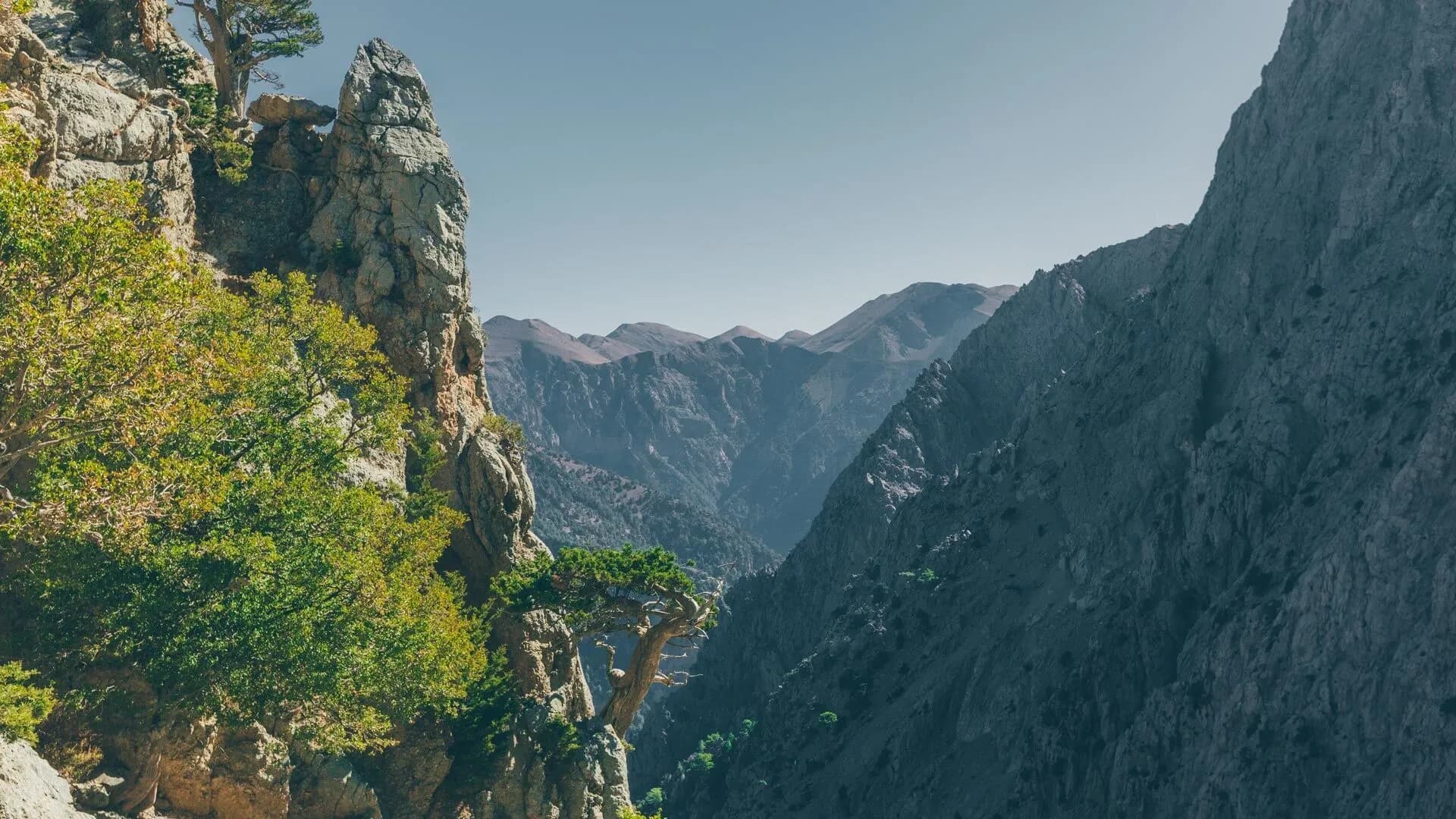
From Xyloskalo to the Iron Gates and Agia Roumeli: plan the Samaria hike, assess the terrain and arrange the ferry and bus back.

Beaches, an aquarium, water parks and seaside towns: how to explore Crete with children, region by region.